Men’s Winter Beard Maintenance: Professional Styling Guide
Men’s Winter Beard Maintenance: Professional Styling Guide
To maintain a healthy winter beard, you'll need an extensive care routine combining proper cleansing, moisturizing, and protection. Start by washing your beard 2-3 times weekly with specialized beard shampoo, followed by daily applications of beard oil immediately after showering. Layer with beard balm for additional moisture retention and styling control. Combat winter dryness by using products containing jojoba and argan oils, while protecting your beard with natural fabric scarves. Schedule professional trims every 6-8 weeks, and support growth through a diet rich in biotin, protein, and omega-3 fatty acids. This guide serves as your starting point for mastering professional-level beard maintenance techniques.
Main Points
- Apply beard oil immediately after showering and layer with beard balm to create a protective moisture barrier against winter conditions.
- Establish a consistent cleansing routine using specialized beard shampoo 2-3 times weekly to maintain cleanliness without removing natural oils.
- Schedule professional trims every 6-8 weeks for split end management and shape maintenance during winter growth periods.
- Combat winter dryness by using natural ingredients like jojoba oil, argan oil, and shea butter in daily beard care products.
- Protect your beard from harsh weather using cotton or wool scarves and adjust product application based on daily weather conditions.
Essential Winter Beard Care Products
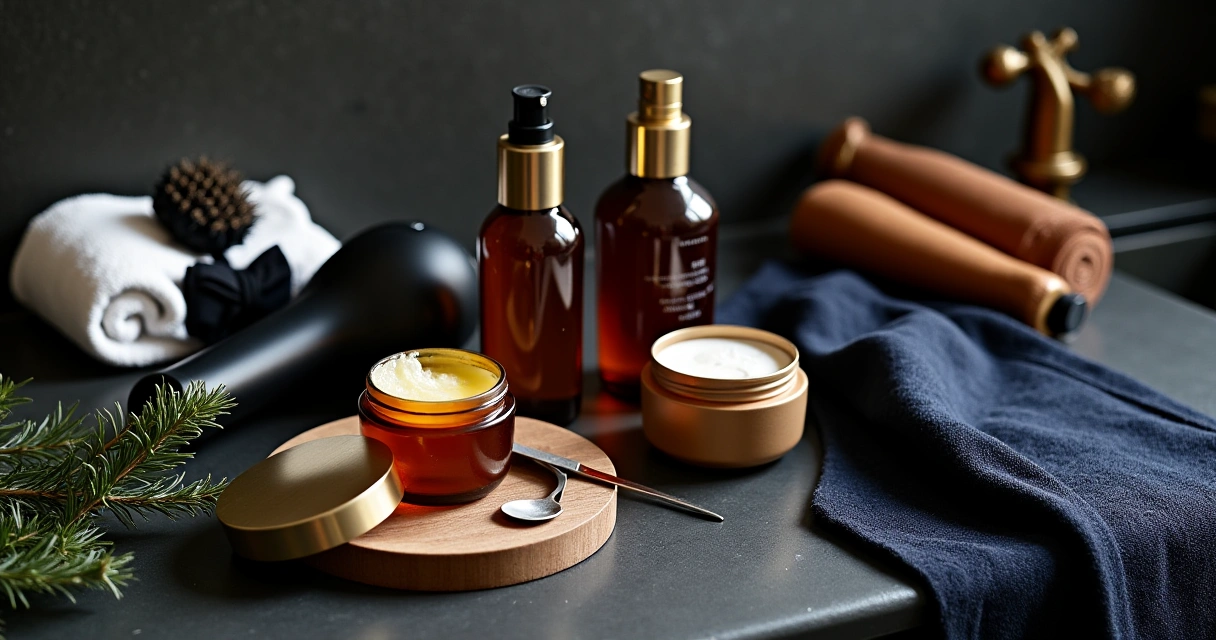
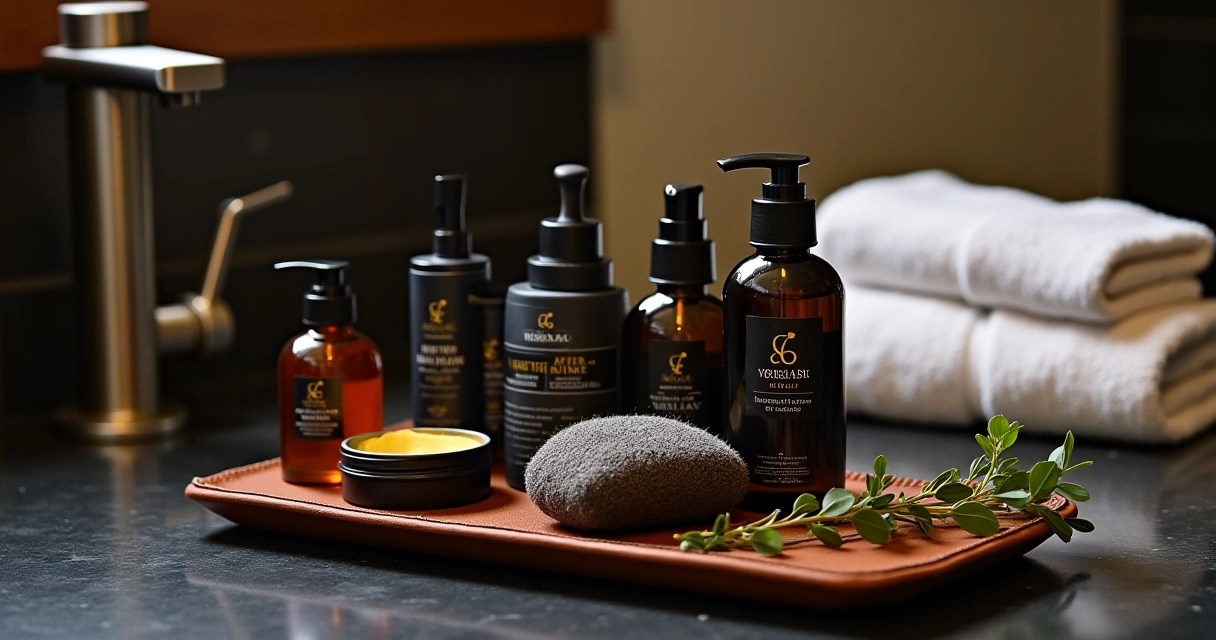
During the harsh winter months, protecting your beard requires the right arsenal of grooming products. To combat winter dryness and maintain a healthy beard, you'll need to establish a thorough grooming routine that incorporates essential winter beard care products designed specifically for facial hair maintenance.
For best results, choose products with natural organic ingredients like shea butter and virgin argan oil, which are proven to soften coarse hair while eliminating beardruff. Start with a specialized beard shampoo, using it 2-3 times weekly to cleanse without stripping away natural oils.
Follow this with a beard conditioner, which creates a protective barrier against moisture loss while improving manageability. For daily care, beard oil containing natural ingredients like argan and jojoba oil should be your go-to product, as it penetrates deeply to nourish and hydrate your facial hair.
When styling, incorporate beard balm, which offers medium hold while providing additional moisture through its blend of beeswax and butters. Don't overlook the importance of proper drying techniques—swap your regular towel for a microfiber one to minimize friction and prevent frizz.
Seasonal Beard Growth Timeline
You'll want to start your winter beard journey in late September or early October, giving yourself the full 4-6 weeks needed for proper growth and development.
Understanding essential winter care helps prevent common cold-weather beard issues like dryness and brittleness. Your facial hair's natural growth cycle requires this extended timeline to address common issues like patchiness and establish a consistent grooming routine.
As you progress through the initial weeks, you can track your beard's development milestones while adjusting your maintenance approach, ensuring you'll have a well-established beard ready for the cold winter months.
Early Growth Planning Stages
Growing a winter beard requires strategic timing, and the journey ideally begins in late September. Starting early guarantees your facial hair reaches a comfortable length before winter's coldest days arrive, giving you time to address any growth challenges that may emerge.
By initiating beard growth during the fall season, you'll have several weeks to evaluate and adapt to your natural growth patterns. During these early growth stages, you'll want to establish a thorough care routine that'll serve you throughout the winter months.
If you notice areas of patchiness, which is common in the initial phase, you'll have sufficient time to adjust your grooming techniques or growth strategy. Consider participating in No Shave November as a natural continuation of your early growth period, which will contribute to fuller results by December.
You'll find that planning ahead minimizes the typical discomfort associated with new beard growth, allowing you to focus on developing proper maintenance habits. Through careful timing and attention to early care, you'll be well-positioned to showcase a stylish beard when the cold weather arrives, having already worked through common grooming issues.
Monthly Development Milestones
A successful winter beard follows distinct developmental stages throughout the seasonal growth cycle. Your beard care routine should adapt to each phase, starting with initial growth in September through the final maintenance in March.
| Month | Key Focus Areas |
|---|---|
| Sept-Oct | Initial growth, establishing beard wash routine |
| Nov-Dec | Combat dryness and itchiness, introduce beard oils |
| Jan-Mar | Regular trims, increased hydration maintenance |
As you begin your growth journey in early fall, focus on maintaining healthy hair through consistent cleansing and moisturizing practices. During November's growth phase, you'll need to comb your beard regularly and apply beard oils to minimize discomfort. By December, your established length requires more attention to moisture retention, especially as the winter season intensifies.
January and February present unique challenges with cold weather affecting your beard's health. Combat environmental stress by increasing hydration efforts and maintaining a thorough conditioning routine. As March approaches, schedule regular trims to manage split ends while continuing your established care regimen. This systematic approach guarantees your beard remains well-groomed and healthy throughout the colder months.
Cold Weather Moisturizing Techniques
To combat winter's harsh effects on your beard, start with a foundation of deep-conditioning essential oils like jojoba and argan, which penetrate the hair shaft for lasting moisture protection.
Consider incorporating all-natural beard formulas that include organic virgin argan and golden jojoba oils, as these absorb quickly without leaving greasy residue.
You'll want to establish a daily moisturizing routine that begins immediately after showering, when your beard is slightly damp, as this helps lock in hydration and prevents brittleness throughout the day.
For maximum cold-weather defense, layer your products strategically by applying beard oil first, followed by a protective beard balm, which creates a moisture-sealing barrier while providing additional hold and control.
Deep Conditioning Essential Oils
When winter's harsh conditions strike, your beard requires extra protection through deep conditioning with essential oils. Your grooming routine should include a weekly treatment using powerful moisturizers like argan oil, jojoba oil, and coconut oil, which create a protective barrier against the drying effects of cold air and indoor heating.
After washing your beard, you'll want to apply these essential oils thoroughly, ensuring you're reaching both the hair and the skin beneath. This process helps lock in moisture and prevents common winter issues like beard dandruff and split ends.
You'll notice improved manageability as the oils work to soften and tame your facial hair, while simultaneously hydrating the underlying skin to prevent itchiness and flaking.
To maximize the benefits, massage the oils into your beard using circular motions, paying special attention to the ends where brittleness often occurs. Let the treatment sit for at least 15 minutes before gently patting dry.
Daily Moisturizing Best Practices
Building on your deep conditioning routine, daily moisturizing becomes your frontline defense against winter's harsh effects on your beard. The key to effective hydration lies in applying beard oil immediately after showering, when your pores are most receptive to absorption, focusing particularly on products containing argan or jojoba oils for peak moisture retention.
For those with thicker beards, complement your beard oil application with beard balm, which offers additional moisturizing benefits and styling control through its natural wax content.
You'll want to avoid hot water during your washing routine, opting instead for cooler temperatures that help preserve your beard's natural oils and prevent brittleness. Throughout the day, especially when exposed to cold winter air, don't hesitate to reapply your moisturizing products to maintain ideal hydration levels.
This consistent maintenance approach, combined with weekly deep conditioning treatments using products rich in shea butter or coconut oil, guarantees your beard retains its softness and manageability throughout the winter months.
Layering Products For Protection
A well-orchestrated layering strategy forms the backbone of effective winter beard protection.
You'll need to start with beard oil immediately after showering, when your pores are most receptive to absorbing essential hydration. This initial layer penetrates deep into your facial hair and skin, creating a foundation for lasting moisture.
Next, you'll want to apply beard balm as your secondary protective layer, which works to lock in the oil's hydrating properties while providing additional hold for thicker beards.
When selecting your products, focus on natural ingredients like jojoba oil and shea butter, as they're particularly effective at preventing dryness and brittleness during harsh winter conditions.
To enhance protection, implement a dual-layering approach throughout your day. Apply a lighter beard oil in the morning for deep hydration, then switch to a heavier balm at night to shield your facial hair against moisture loss while you sleep.
Don't hesitate to reapply your layering products during the day, especially when facing severe cold or wind. This consistent approach to layering products guarantees your beard maintains peak hydration and resilience throughout the winter season.
Professional Beard Trimming Methods
Professional beard trimming goes beyond basic at-home maintenance, offering expertly crafted results that'll transform your facial hair. When you visit a professional barber, they'll assess your face shape and growth patterns to create a customized style that complements your features. The maintenance process typically involves specialized tools and precise techniques to achieve best results.
| Trimming Phase | Tools Used | Expected Outcome |
|---|---|---|
| Initial Assessment | Comb, Mirror | Growth Pattern Analysis |
| Bulk Reduction | Professional Clippers | Even Length Distribution |
| Edge Definition | Straight Razor | Clean Lines and Borders |
| Texture Creation | Thinning Shears | Natural-Looking Layers |
| Final Detailing | Point Cutting Scissors | Refined Shape and Style |
Your professional trim should occur every 4-6 weeks to maintain shape and prevent split ends. During your appointment, the barber will employ various techniques, including point cutting, which creates natural texture while removing excess bulk. After your trim, you'll receive guidance on proper maintenance, including product recommendations for beard oils and balms to keep your facial hair healthy and well-groomed between appointments.
Winter Beard Styles
Now that you're equipped with professional trimming knowledge, selecting the right winter beard style will maximize both warmth and style during the cold season.
The full beard stands as your most practical choice, offering complete coverage and superior protection against cold temperatures while requiring consistent maintenance to keep it looking polished. For best results, consider using natural conditioning balms containing shea butter and argan oil to combat winter dryness and maintain a healthy sheen.
For those seeking a balance between style and practicality, the Garibaldi's rounded shape provides excellent warmth with minimal grooming demands.
The Verdi offers versatility, allowing you to shift seamlessly from casual to formal settings while maintaining adequate winter protection.
If you're looking to make a statement, consider the ducktail beard, which combines sophistication with functionality through its distinctive longer chin and trimmed sides.
The Bandholz beard, while demanding the most maintenance and grooming products, delivers unmatched volume and warmth for those committed to professional styling routines.
When selecting your winter beard style, consider your face shape, lifestyle, and willingness to maintain your chosen look.
Each style requires specific grooming techniques and product applications to achieve best results during the cold months.
Daily Grooming Routine
Establishing a consistent daily grooming routine forms the foundation of proper winter beard care. Your facial hair requires specific attention during the colder months, and following a structured approach will guarantee your beard stays healthy and well-maintained.
For ideal results, consider using natural argan oil products, which provide essential vitamin E and superior moisturizing benefits. After showering, apply beard oil immediately to lock in moisture and keep your facial hair hydrated, paying special attention to the skin beneath.
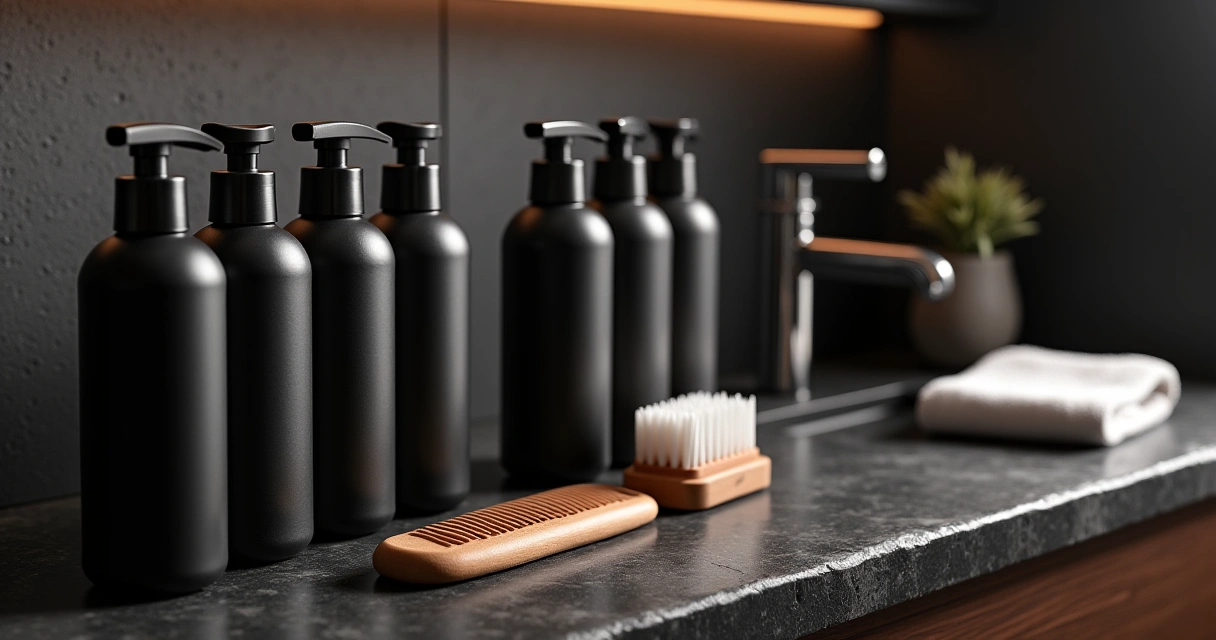
Follow this with beard balm for additional moisture retention and styling control, working the product thoroughly through your beard. Make it a habit to comb or brush your beard daily, which helps distribute natural oils and prevents tangling while maintaining a polished appearance.
Regular daily grooming should include gentle detangling and styling, particularly in the morning and after washing. Don't forget to schedule regular trims every 6-8 weeks to manage split ends and maintain your desired shape.
This all-encompassing approach to beard maintenance will help you achieve a well-groomed, healthy beard that can withstand harsh winter conditions while looking professionally maintained.
Environmental Protection Strategies
Stepping out into winter's harsh elements requires strategic protection for your beard. To combat moisture loss and prevent dryness and brittleness, you'll need to implement thorough environmental protection strategies that go beyond basic beard care products.
When you're facing harsh winter conditions, wrapping your beard with natural fabrics like cotton or wool scarves creates an essential barrier against damaging winds. Using products containing organic shea butter and natural oils will provide deep nourishment while protecting against harsh weather conditions.
Your winter beard care routine should prioritize these vital aspects:
- Monitor weather conditions daily and adjust your use of beard oils and balms accordingly, applying more product during particularly dry or windy periods.
- Maintain ideal hydration levels by drinking plenty of water throughout the day, as internal moisture directly affects your beard's resilience.
- Select protective accessories made from natural materials that won't generate static or cause unwanted frizz.
To protect your beard effectively, apply a combination of beard oils and balms before heading outdoors. These products create a protective layer that locks in moisture and shields your facial hair from environmental damage.
Remember to reapply throughout the day when exposed to severe weather conditions for extended periods.
Beard Health Through Diet
Through proper nutrition, your beard's health begins from within. A balanced diet rich in specific nutrients plays an essential role in maintaining strong, healthy facial hair during the harsh winter months. You'll need to focus on incorporating key vitamins and minerals that support ideal beard growth and prevent dryness.
Start by increasing your intake of biotin-rich foods like eggs, nuts, and avocados, which help maintain proper moisture levels in your facial hair. Include plenty of protein sources, such as lean meats and legumes, to boost keratin production for stronger beard strands.
To combat winter-related brittleness, you'll want to consume adequate omega-3 fatty acids found in fish and flaxseeds, as they improve blood circulation to your hair follicles. Don't forget to incorporate healthy fats and vitamins A, C, and E through leafy greens and nutrient-dense vegetables, which support overall beard health.
Most importantly, maintain proper hydration by drinking plenty of water throughout the day, as this helps prevent flakiness and keeps both your skin and beard properly moisturized. Remember that consistent dietary choices directly impact your beard's appearance and resilience during winter.
Frequently Asked Questions
Can Facial Hair Color Change During Winter Months?
Your facial hair color can indeed change during winter months due to several factors.
Cold weather effects and reduced UV exposure impact can cause temporary shifts in facial hair pigmentation, while seasonal beard shedding may reveal slightly different colored strands.
You'll notice these changes are influenced by hormonal changes and nutritional influences.
To maintain consistent coloring, focus on moisture retention techniques, hair follicle health, and consider color enhancing products in your winter grooming essentials routine.
Does Wearing a Face Mask Affect Beard Maintenance Routine?
While face masks protect your health, they can complicate your beard care routine.
You'll need to focus on proper mask fit and enhanced beard hygiene to prevent skin irritation and breathability issues.
Consider using lightweight beard oils to maintain moisture retention, and adjust your trimming techniques to accommodate mask fabric.
When styling, you'll want to pay extra attention to the areas where your mask meets your facial hair during winter care.
How Do Indoor Heating Systems Impact Beard Texture?
Indoor heating systems can wreak havoc on your beard by reducing indoor humidity, which affects moisture retention and skin hydration.
You'll notice increased static electricity, itchy skin, and hair brittleness from prolonged heat exposure.
To combat these issues, you'll need to adjust your grooming routines by applying beard oils more frequently and using a humidifier.
This helps prevent excessive seasonal shedding and maintains your beard's natural texture and health.
Should Beard Length Be Adjusted Based on Winter Sports Activities?
Ever wonder why professional winter athletes often sport different beard lengths?
You'll want to adjust your beard length based on your winter activities' impact and performance factors. For high-intensity sports, keep it shorter to prevent sweat buildup and maintain comfort levels.
If you're doing less vigorous activities, you can opt for longer lengths that provide facial warmth.
Consider protective styles and increased maintenance frequency to balance style adaptability with grooming techniques.
Can Certain Medications Affect Winter Beard Growth and Maintenance?
Yes, your medications can greatly impact beard growth through various mechanisms.
Certain drugs affect hormonal changes and immune response, which may alter your natural growth patterns and seasonal shedding.
You'll notice some medications can increase skin dryness, while others impact nutrition absorption and stress levels that influence beard health.
If you're on long-term medication, you'll need to adjust your grooming products and consult your doctor about potential age factors affecting beard maintenance.
Conclusion
Like Samson's legendary strength, your beard's power lies in proper care and maintenance. You'll need to adapt your grooming routine as winter's harsh conditions challenge your facial hair's health and appearance. By following these professional guidelines for products, trimming techniques, and protection strategies, you're well-equipped to maintain a robust, healthy beard throughout the cold season. Remember, consistent care and attention to detail make the difference between an average beard and an exceptional one.